Common Electrical Issues Found During Home Inspections in Pearland, TX
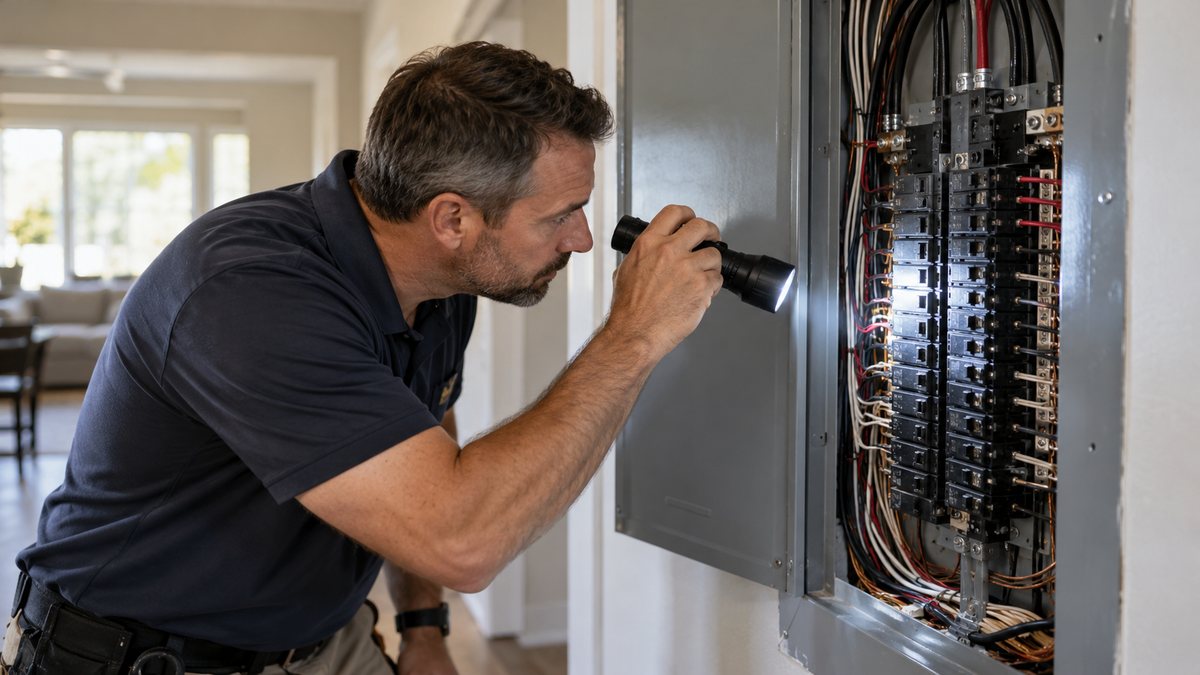
If a home inspection in Pearland, TX turns up electrical problems, it can feel alarming — but knowing what inspectors look for, and why it matters, puts you back in control before you buy. Electrical defects are among the most common findings in Greater Houston Area home inspections, and some of them are genuine safety hazards hiding behind the drywall. This guide from GC Home Inspection walks you through the electrical issues we find most often, what they mean for your purchase, and how a thorough, qualified inspector protects you from inheriting someone else's wiring mistakes.
What Are the Most Common Electrical Issues Found During a Home Inspection?
The most common electrical issues found during a home inspection are outdated wiring, overloaded or inadequate circuits, improperly wired outlets, double-tapped breakers, and vegetation growing into the service lines outside. Each one is easy to miss on a quick walkthrough, and each one can cost you money — or put your family at risk — after you own the home. Here is what a qualified inspector checks for.
Outdated or Aluminum Wiring
Outdated wiring is one of the most frequent and serious findings, because older systems were never built for the electrical load a modern household demands. Many homes built before 1980 contain aluminum wiring, which expands, contracts, and corrodes differently than copper and is far more prone to overheating at connections — a recognized fire risk. A thorough inspector checks for aluminum branch wiring, cloth-insulated conductors, and other signs of an aging system, then recommends evaluation by a licensed electrician.
Overloaded or Inadequate Circuits
Inadequate circuits show up when too many appliances draw power from the same line, tripping breakers or, worse, quietly overheating. Older Pearland homes often were not wired for today's kitchens, home offices, and air-conditioning demands. Inspectors look for overloaded circuits, missing dedicated circuits for major appliances, and panels that are already maxed out, so you know before closing whether the home's electrical capacity matches how you actually live.
Improperly Wired Outlets and Missing GFCI Protection
Improperly wired outlets are a shock and fire hazard, and they are surprisingly common. Inspectors test outlets throughout the home for loose connections, reversed polarity, open grounds, and exposed conductors. They also confirm that ground-fault circuit interrupter (GFCI) protection is present and working in wet areas — kitchens, bathrooms, garages, and exterior outlets — where it is required to protect against electrocution.
Double-Tapped Breakers
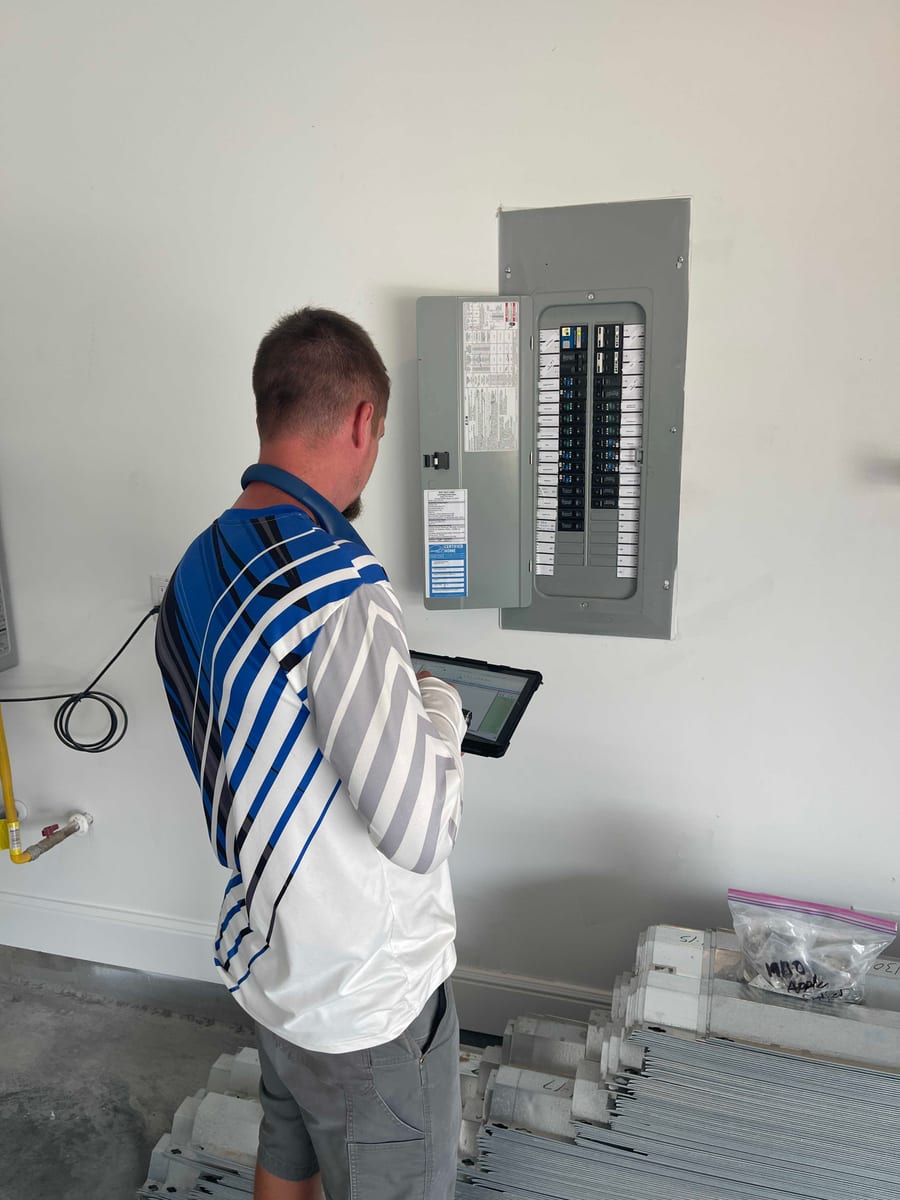
A double-tapped breaker is a single breaker with two wires connected to it — a common shortcut that creates a real safety hazard. The connection can loosen and overheat, which is a fire risk, and it often signals that the panel has run out of room and been modified without the right parts. Inspectors flag double-tapped breakers so a licensed electrician can correct them before they become your problem.
Vegetation and Service-Line Hazards Outside
Trees or bushes growing into the overhead service lines are an outdoor electrical hazard inspectors check at every home. Branches touching a service line can chafe the insulation, cause shorts, and even start a fire, and heavy limbs can pull the connection loose in a Gulf Coast storm. A good inspection looks at the full picture — from the panel inside to the service entrance outside.
Why Do Electrical Problems Matter So Much for Pearland Home Buyers?
Electrical problems matter because they are both a safety risk and a financial one — and in the Greater Houston Area, the climate makes them worse. Heat and humidity accelerate corrosion at connections, and homes here run air conditioning hard for much of the year, which stresses older panels and circuits. Faulty wiring is one of the leading causes of house fires, so an electrical defect is not just a repair line item — it is a risk to your family. Catching these issues during the inspection gives you the leverage to negotiate repairs, adjust your offer, or walk away before the home across Pearland and the surrounding area — and its wiring — becomes your responsibility.
How Does Thermal Imaging Catch Hidden Electrical Problems?
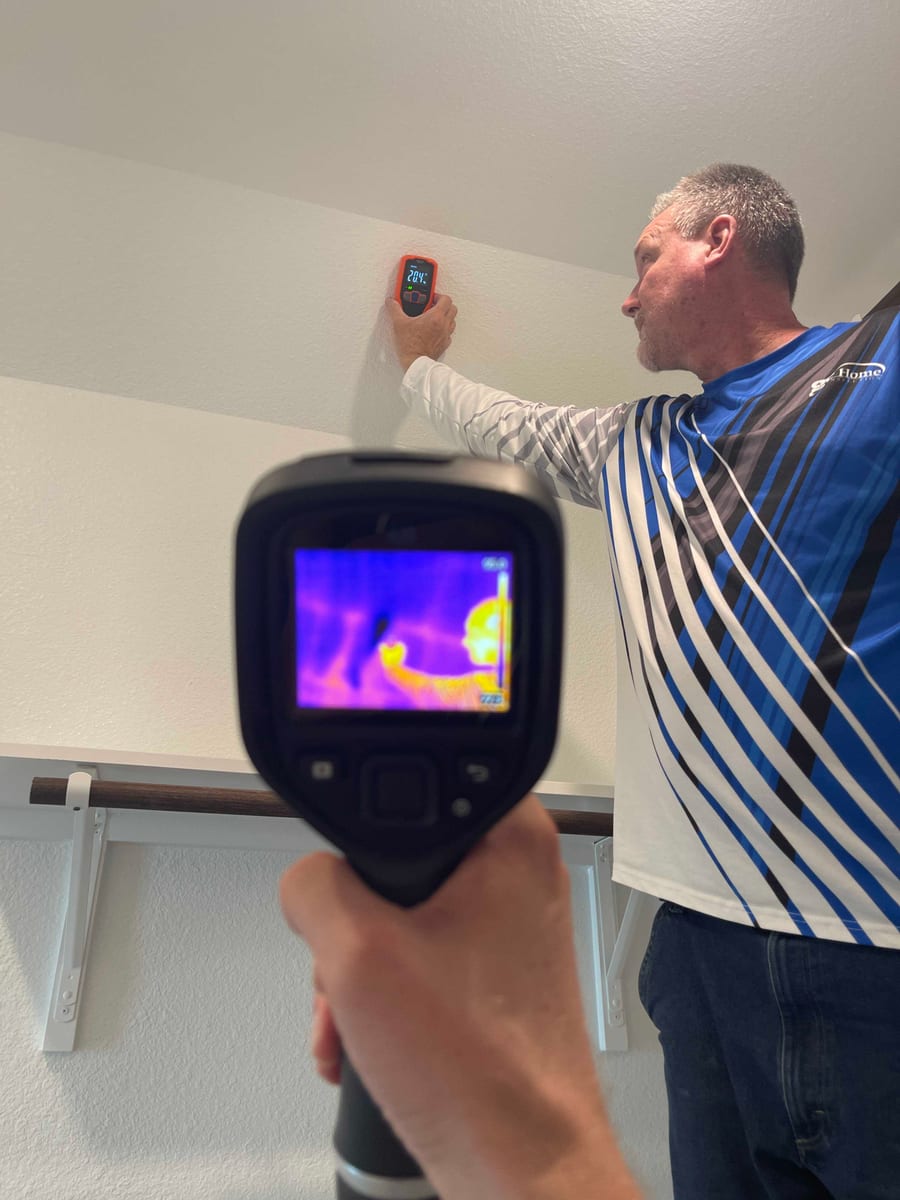
Thermal imaging catches electrical problems a standard visual inspection cannot see, because overheating connections give off heat long before they fail. GC Home Inspection is CRT (Certified Residential Thermographer) thermal certified, so we are trained to read infrared images correctly rather than just point a camera and guess. Scanning the panel and circuits with a thermal camera reveals hot spots at breakers, loose connections, and overloaded wiring — early warning signs of a fire risk that are invisible to the naked eye. In a humid climate like ours, that extra layer of detection can prevent a dangerous and expensive failure down the road. Learn more about our thermal imaging inspection.
What Should You Do If Your Home Inspection Finds Electrical Issues?
If your inspection finds electrical issues, do not panic — use the report. Most electrical defects are repairable by a licensed electrician, and the inspection gives you a documented list to work from. You can ask the seller to make repairs, request a credit, or renegotiate your offer during your option period. What you should never do is ignore them or assume they are minor, because electrical hazards do not fix themselves. For most buyers, starting with our Buyer's Inspection in Pearland, TX is the right move; if you want the most complete picture, our 5-Star Inspection Package bundles the add-on services that catch what standard inspections leave behind.
Frequently Asked Questions
What are the most common electrical problems found in a home inspection?
The most common electrical problems found in a home inspection are outdated or aluminum wiring, overloaded or inadequate circuits, improperly wired outlets, missing GFCI protection, and double-tapped breakers. Each one can be a safety or fire hazard, which is why a thorough inspector checks the panel, the circuits, and every accessible outlet.
Is aluminum wiring a problem in older Pearland, TX homes?
Aluminum wiring can be a problem because it overheats at connections more readily than copper and is a recognized fire risk. Many homes built before 1980 have it. A qualified inspector will identify aluminum branch wiring and recommend evaluation and any needed corrections by a licensed electrician.
What is a double-tapped breaker and is it dangerous?
A double-tapped breaker has two wires connected to a single breaker that is designed for one. It can be dangerous because the connection can loosen and overheat, which is a fire risk. It is usually a straightforward fix for a licensed electrician once an inspector flags it.
Can a home inspector find hidden electrical problems?
Yes. A qualified home inspector can find hidden electrical problems using thermal imaging, which reveals overheating connections and overloaded circuits behind panels and walls that a standard visual check cannot see. GC Home Inspection is CRT thermal certified.
Should electrical issues stop me from buying a house?
Not necessarily. Most electrical issues are repairable, and the inspection report gives you the leverage to negotiate repairs, request a credit, or adjust your offer. The goal is to make an informed decision before closing — not to be surprised afterward.
Does GC Home Inspection work for the buyer or the seller?
GC Home Inspection works for you, the home buyer. Our only job is to tell you the truth about the home's condition so you can buy with confidence, negotiate, or walk away. We are not working for the seller or anyone else.