GC Home Inspection Now Offers Pool Leak Detection in Pearland, TX
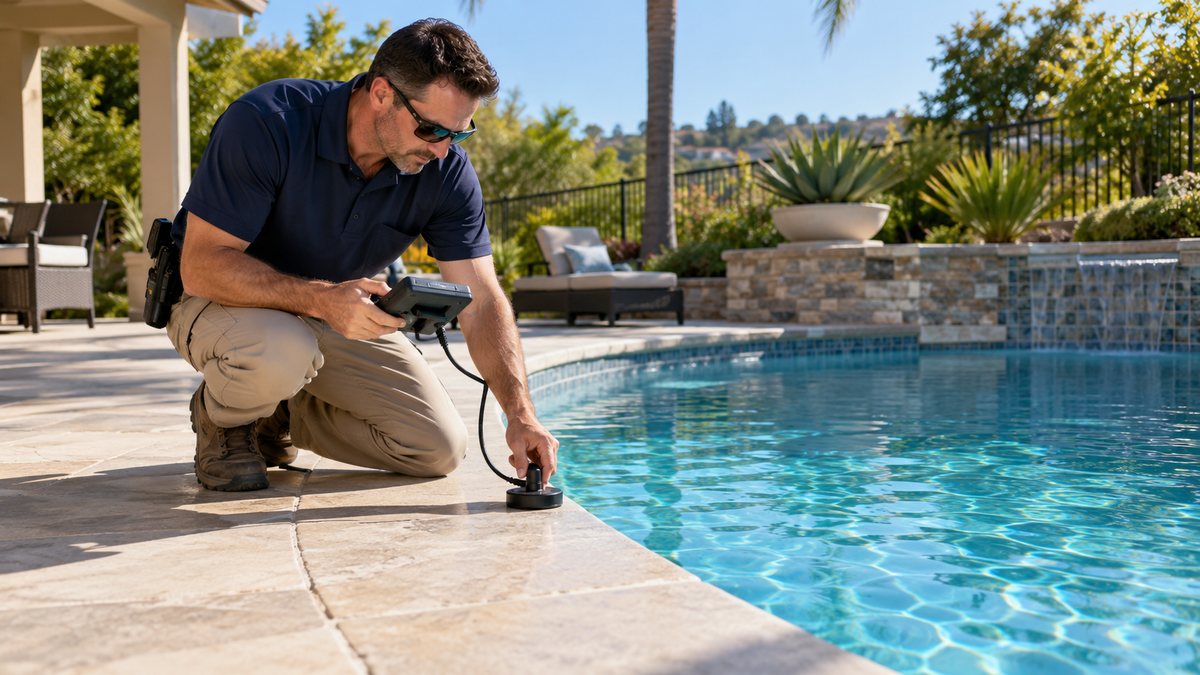
A hidden pool leak is one of the most expensive problems a homeowner can miss. A pool can lose hundreds — even thousands — of gallons of water through a crack or a failed fitting you'll never spot from the deck, driving up your water bill, straining your equipment, and in the worst cases undermining the ground around the shell. That's why GC Home Inspection now offers professional pool leak detection in Pearland, TX, so buyers and homeowners can catch a leak early, before a small loss turns into a major repair.
Pool leak detection pinpoints exactly where and how a pool is losing water — the plumbing, the fittings, or the shell itself — using precise equipment instead of guesswork. Here's how it works, the warning signs to watch for, and why we built it to run right alongside your home inspection.
What Is Pool Leak Detection?
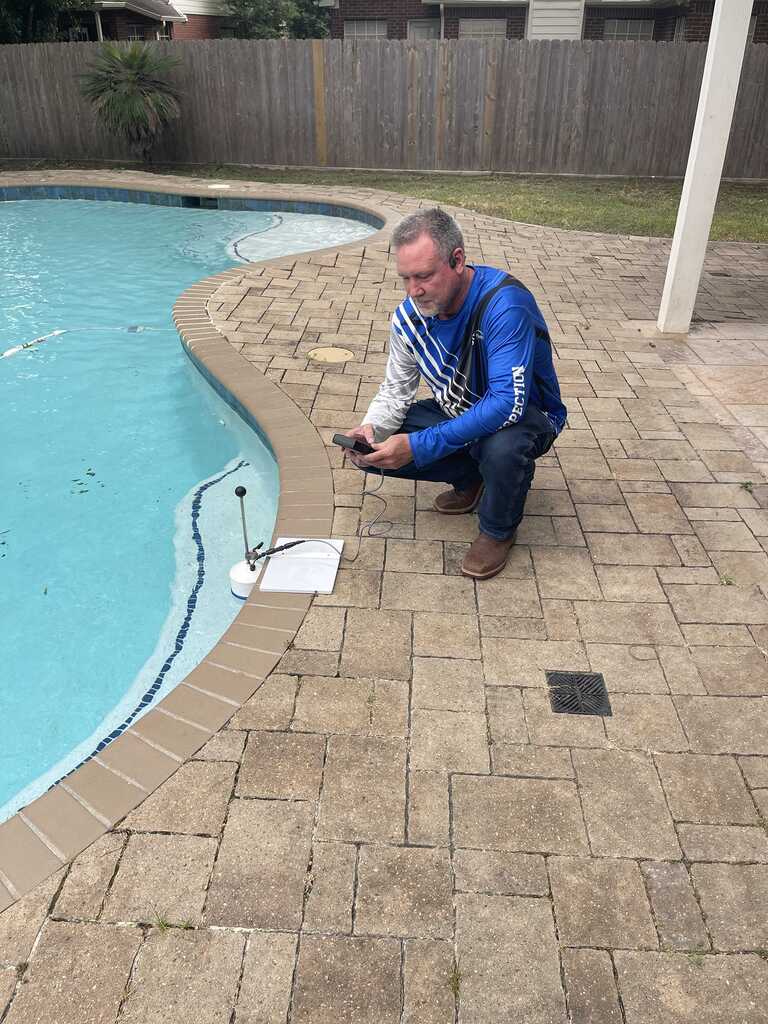
Pool leak detection is a specialized inspection that measures and locates water loss in a swimming pool and its equipment. Instead of waiting for a leak to cause visible damage, we use high-precision tools that measure water loss down to 1/10,000th of an inch, then trace the loss back to its source. The goal is simple: tell you whether your pool is actually leaking, and if it is, exactly where — so any repair is targeted instead of a costly process of elimination.
How Do You Know If Your Pool Might Have a Leak?
You may have a pool leak if you're adding water more often than usual or noticing changes around the pool that weren't there before. Some water loss to evaporation is normal, especially in our Gulf Coast heat, but a true leak usually shows a pattern. Watch for:
- Unexplained water loss — the level drops faster than evaporation alone would explain
- A rising water bill with no change in how you use water
- Soggy, shifting, or sunken areas in the deck or landscaping around the pool
- Cracks in the shell, deck, or bond beam
- Air bubbles in the return lines, or a pump that keeps losing prime
- Algae or chemical imbalance that won't stay corrected because fresh water keeps diluting the treatment
If you're seeing any of these, it's worth having the pool checked before the loss gets worse — or, if you're buying a home with a pool, before you close.
Why Do Pearland and Gulf Coast Pools Develop Leaks?
Pools in Pearland and the Greater Houston Area develop leaks for the same reason local homes shift: the expansive clay soil beneath them is constantly moving. When that clay swells with rain and shrinks in a drought, it puts stress on pool shells, plumbing runs, and fittings, opening up hairline cracks and loosening connections over time. Add our intense summer heat, heavy seasonal rain, and the occasional hard freeze, and the ground around a Gulf Coast pool rarely sits still. That's exactly why leaks here are common and why catching them early matters — a slow leak that keeps the soil saturated can eventually threaten the structure around the pool. A leaking pool also quietly wastes a surprising amount of water; the EPA WaterSense program notes that household leaks add up to huge volumes of wasted water every year.
How Does GC's Pool Leak Detection Work?
Our pool leak detection follows a clear, four-step process, so you know exactly what's happening at every stage:
- On-site inspection. Our team arrives and performs a thorough inspection of the pool and its equipment.
- Leak measurement. We measure water loss using high-precision detection technology.
- Diagnosis. We pinpoint the exact location of the leak, whether it's in the plumbing, the fittings, or the shell.
- Detailed report. You receive a clear report on our findings, with recommendations for repair where needed.
What Makes GC's Pool Leak Detection Different?
What sets GC apart is that we inspect the whole pool system, not just the equipment. Many pool-service companies focus only on the pump and filter. We check the full picture:
- Comprehensive inspection — equipment, plumbing, and fittings, not just one component
- Advanced leak detection — high-precision tools that measure water loss to 1/10,000th of an inch
- Convenience — pool leak detection can be performed at the same visit as your home inspection
Running the pool check alongside a buyer's home inspection in Pearland, TX means one appointment answers both questions — the condition of the house and the condition of the pool — before your option period runs out. You can learn more on our pool leak detection service page.
Why Choose GC Home Inspection?
GC Home Inspection has served Pearland and the Greater Houston Area since 1997, and that local experience is what makes the difference on Gulf Coast properties, whether you need a pool check or a full home inspection in Pearland, TX. Owner Chad Langston grew up in construction, working on job sites from the age of 12, so he understands how a pool and a home are actually built, not just how to fill out a checklist. Chad and Greg are both TREC-licensed in Texas (Chad #7946, Greg #25839) and CRT thermal-certified, and GC is rated 4.7 Stars ⭐ on Google.
"Our goal is to educate homeowners and provide peace of mind," says owner Chad Langston. "We spend as much time as you need at the end of every inspection to make sure you understand the results."
For ongoing upkeep after a leak is found, you can also work with a qualified pool professional; the Pool & Hot Tub Alliance is a good resource for standards and reputable contractors.
Frequently Asked Questions
How do I know if my pool is really leaking or just losing water to evaporation?
Some evaporation is normal, especially in Gulf Coast heat. A leak usually shows a faster, steadier drop than evaporation alone, often with a rising water bill or damp spots nearby. A leak detection test measures the loss precisely so you know for sure.
Where do pool leaks usually come from?
Pool leaks typically come from the plumbing lines, the fittings and penetrations (skimmers, returns, lights), or cracks in the shell. GC's detection process checks all three so the source is pinpointed, not guessed.
How accurate is GC's pool leak detection?
We use high-precision equipment that measures water loss down to 1/10,000th of an inch, which lets us confirm whether a pool is leaking and locate the source rather than relying on estimates.
Can you check the pool during my home inspection?
Yes. Pool leak detection can be performed at the same visit as your home inspection, so one appointment covers both the house and the pool, especially useful when you are buying on an option-period timeline.
Do you offer pool leak detection outside Pearland?
Yes. Our primary service area is Pearland, and we also serve Houston and the surrounding Greater Houston communities. Call (281) 675-5885 to confirm availability for your address.