How Can Buyers Tell If a Pearland Home Has Early Signs of Mold or Moisture Intrusion?
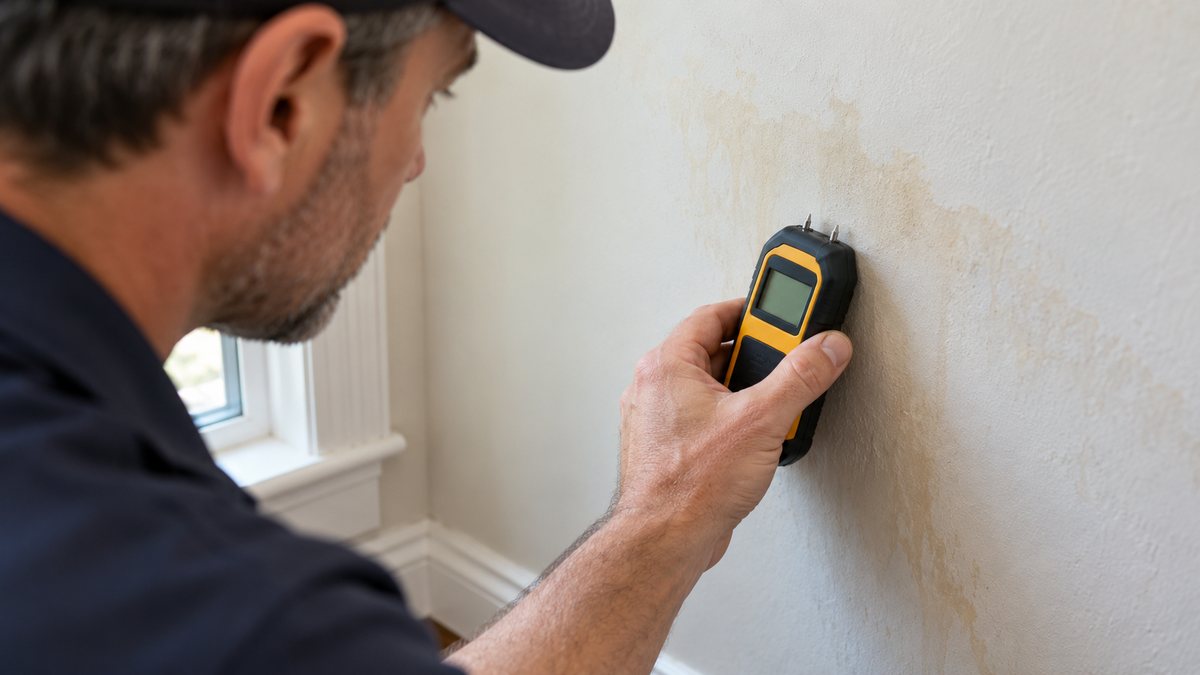
When you're buying a home in Pearland, TX, the finishes and the floor plan are the easy part. What you can't see — moisture moving quietly behind the walls, above the ceiling, or under the slab — is what turns a dream home into an expensive problem. Mold and water intrusion rarely announce themselves. By the time there's a visible stain or a musty smell, the issue has usually been building for a while.
So how can a buyer tell if a Pearland home has early signs of mold or moisture? Watch for discoloration and bubbling paint, warped baseboards and trim, musty odors, condensation around windows, damp or stained attic decking, and soft spots on walls or ceilings — then have a licensed inspector confirm the cause with thermal imaging and moisture meters before you close. Here's what those early signs look like, where they tend to start in Gulf Coast homes, and how a thorough inspection tells you whether you're looking at simple maintenance or a problem worth negotiating over.
What Are the Early Signs of Mold or Moisture in a Home?
The earliest signs of mold or moisture are usually visual and subtle — small clues that water has been present longer than it should. Mold itself is often hidden, so inspectors watch for the conditions that create it rather than waiting for visible growth. The most common early signs include:
- Discoloration or staining on walls, ceilings, or trim, often in yellow, brown, or gray patches
- Bubbling, peeling, or blistering paint, which means moisture is pushing out from behind the surface
- Warped or swollen baseboards, trim, or drywall that no longer sit flush
- A musty, earthy odor — frequently the first thing people notice before they see anything
- Condensation or fogging between window panes and damp window sills
- Fresh patchwork or mismatched paint that may be covering a past repair
Any one of these can be harmless on its own. Several of them together — or a stain that reappears after it was painted over — is the kind of pattern that deserves a closer look.
Where Does Moisture Usually Start in Pearland Homes?
In most Pearland homes, moisture problems start in the same handful of places: the spots where water gets in and the spots where humid air gets trapped. During an inspection, these areas always get extra attention.
Walls and Ceilings
- Discoloration, bubbling paint, or soft, spongy drywall
- Baseboards that look swollen or warped
- Patch repairs that don't match the surrounding finish
Windows and Doors
- Peeling paint or cracked, deteriorated caulk
- Water stains below the corners of the window
- Condensation or fogging between double-pane glass
Attics and Bathrooms
- Darkened roof decking, rusted nails, or damp insulation
- Bathroom exhaust fans that vent into the attic instead of outside
- Poor ventilation that lets warm, moist air sit and condense

None of these automatically mean there's active mold. What they tell an inspector is that moisture has been present, and that the next step is finding out where it's coming from.
Why Are Pearland and Gulf Coast Homes So Prone to Moisture?
Pearland and the Greater Houston Area are especially prone to moisture because of our climate and our soil — long, humid summers, sudden heavy rains, and expansive clay that shifts under the foundation. Those conditions push building materials harder than they'd be pushed in a dry climate, and small details that were skipped during construction or maintenance show up as moisture problems years later. High humidity keeps attics and closed-up rooms damp. Heavy Gulf storms drive water at roofs, flashing, and window seals. And when the clay soil swells and shrinks with the weather, it can open small gaps around the slab and plumbing where water finds its way in. A clue that might be minor somewhere else — a little condensation, a faint stain — can matter more here, which is exactly why local experience changes how a report is read.
How Does a Home Inspector Find Hidden Moisture and Mold?
A home inspector finds hidden moisture by combining a trained visual inspection with tools that see what the eye can't — primarily thermal imaging and moisture meters. A thorough buyer's home inspection in Pearland, TX doesn't stop at the stain on the wall; it looks for the source. That means checking attic and bathroom ventilation, inspecting roof and window transitions, looking for drainage and flashing problems, and scanning suspect areas with infrared.
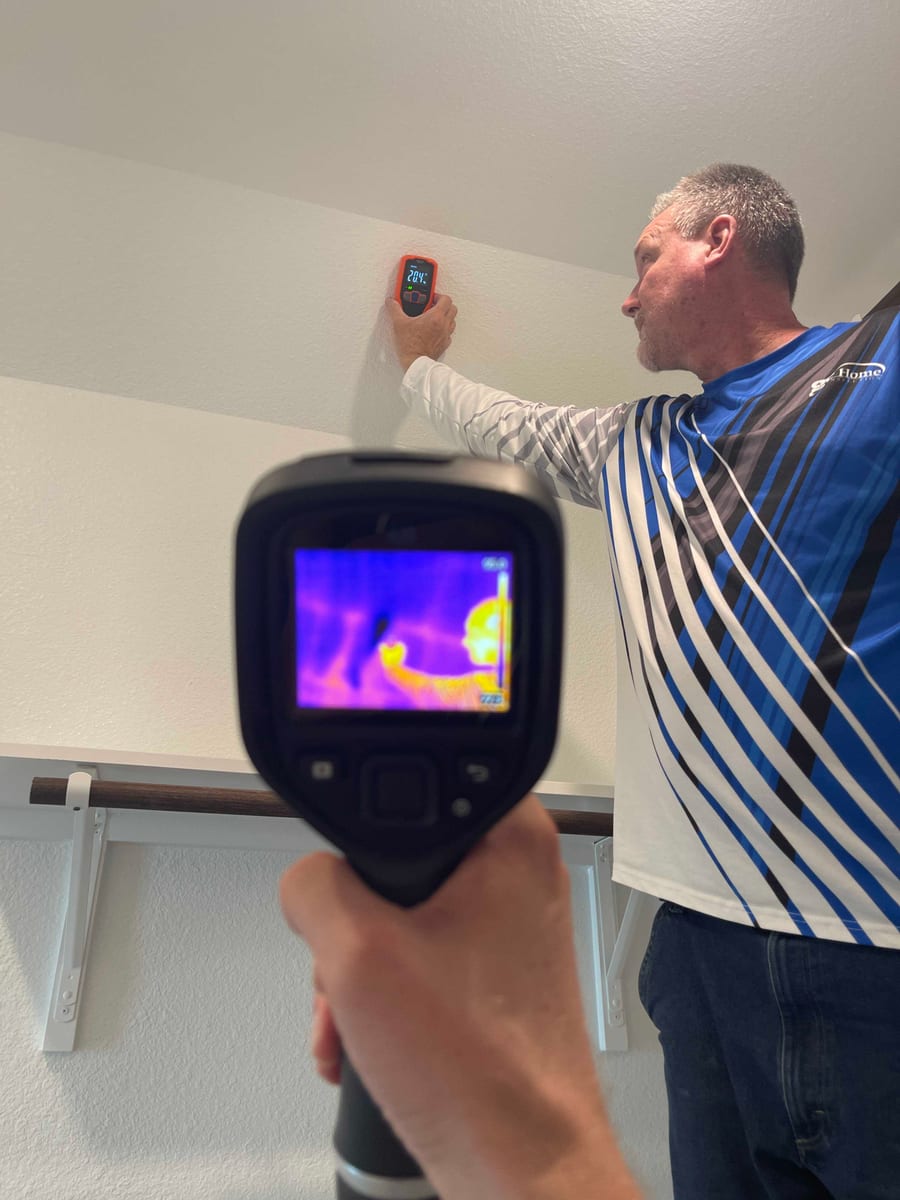
This is where credentials matter. GC Home Inspection is CRT (Certified Residential Thermographer) thermal certified, which means we're trained to read infrared images correctly rather than just pointing a camera and guessing. Thermal imaging can reveal cool, damp areas behind drywall, missing or settled insulation, and the temperature differences that flag an active leak, often before there's any visible sign at all. Paired with a moisture meter to confirm readings, it turns a vague suspicion into a clear answer. The EPA's mold guidance makes the same core point: controlling moisture is the key to controlling mold, so finding the water is what actually matters.
Should Moisture or Mold Stop You From Buying the Home?
Not necessarily — moisture findings are a reason to understand the problem, not an automatic reason to walk away. The right question is always the same three things: what's causing the moisture, how far has it spread, and what will it take to fix. A small issue with a clear cause, like a missing bead of caulk or a bathroom fan venting into the attic, is usually simple maintenance. Chronic moisture that points to a roof leak, a drainage failure, or a foundation gap is a bigger conversation, and it may become something you negotiate with the seller or decide to walk away from if the cause is serious and unaddressed. According to the EPA's mold-and-health guidance, the health concern with mold is real enough that you want the facts before you commit — which is the whole point of the inspection.
How GC Home Inspection Helps Pearland Buyers
A calm, detailed, independent inspection is what turns a worrying stain into a clear decision. At GC Home Inspection, owner Chad Langston has inspected homes across Pearland and the Greater Houston Area since 1997, and he grew up in construction, working on job sites from the age of 12. That background means he doesn't just flag moisture — he explains what's causing it, whether it's active or resolved, and what it would take to fix. Chad and Greg are both TREC-licensed in Texas (Chad #7946, Greg #25839) and CRT thermal-certified, and GC is rated 4.7 Stars ⭐ on Google by Gulf Coast buyers.
If you want the most complete picture before closing, start with a buyer's inspection in Pearland, TX, learn more about home inspections in Pearland, TX, or ask about our 5-Star Inspection Package, which bundles the add-on services that catch what a standard inspection can miss.
Frequently Asked Questions
Does moisture staining always mean there is mold?
No. A stain tells you moisture has been present, but mold growth depends on how long the moisture lasts, the materials involved, and the airflow in that space. The stain is a signal to find the source, not proof of mold on its own.
Can a home inspector test for mold?
A standard home inspection identifies visible mold, moisture conditions, and the sources that cause them. It is not a lab test. If testing is warranted, your inspector can recommend a qualified mold specialist for sampling and analysis.
What are the most common early signs of moisture in a Pearland home?
The most common early signs are discoloration or bubbling paint, warped baseboards and trim, a musty odor, condensation around windows, and damp or darkened attic decking. In our humid Gulf Coast climate, these show up more often than in drier regions.
How does thermal imaging find hidden moisture?
Thermal imaging reads surface temperature differences. Damp areas behind walls and ceilings hold and release heat differently than dry areas, so an infrared camera can reveal hidden moisture, missing insulation, and active leaks before there is any visible sign. GC Home Inspection is CRT thermal certified.
Should mold or moisture stop me from buying a home?
Not by itself. The key is understanding the cause, the extent, and the cost to fix before you decide. Minor, maintenance-related moisture is common and manageable; chronic moisture from a roof, drainage, or foundation problem the seller won't address is often worth walking away from.
How soon can I get a home inspection in Pearland?
GC Home Inspection serves Pearland and the Greater Houston Area and works with your option-period timeline. Call (281) 675-5885 or schedule online to lock in your inspection quickly.