5 Staples for the Ideal DIY Workspace: Safety Tips From a Pearland Home Inspector
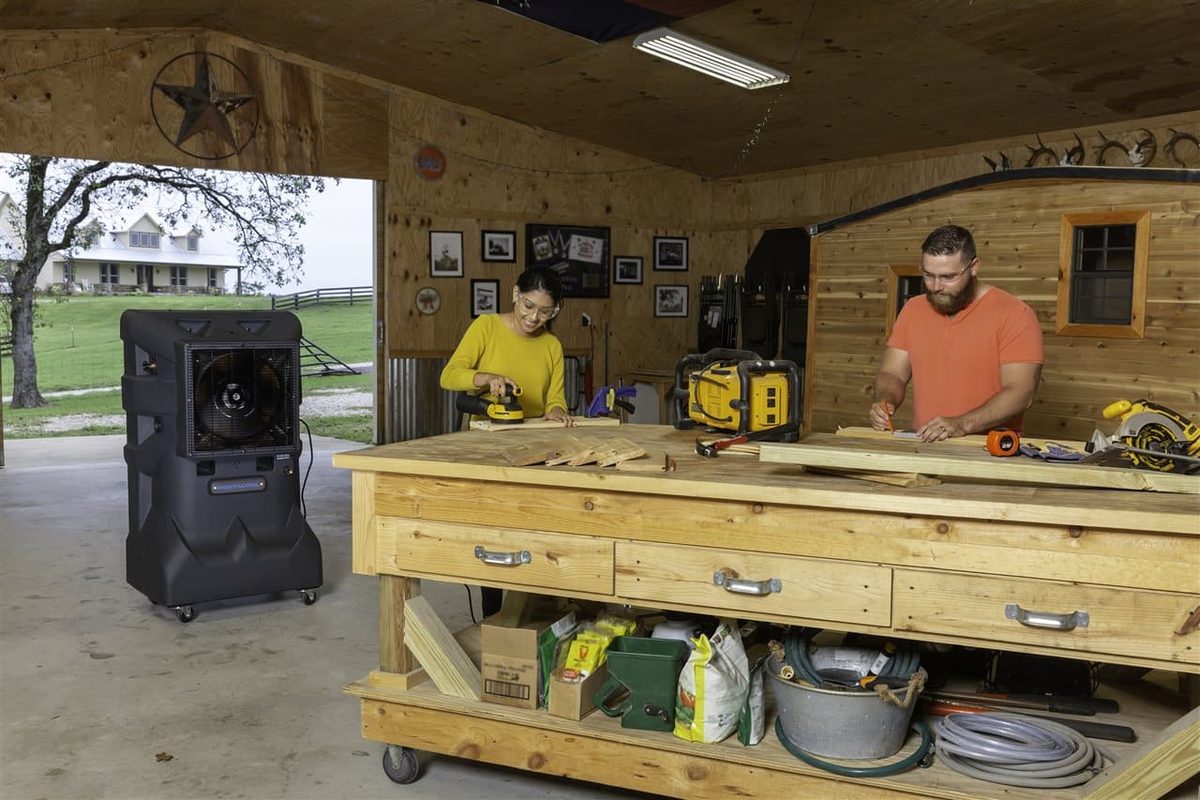
A good DIY project starts long before you pick up a saw. Whether your workspace is in the garage, a backyard shed, or a covered patio, the way you set it up decides how comfortable, productive, and safe your projects will be. As home inspectors, we see plenty of Pearland garages and workshops — and the same few setup mistakes come up again and again. Here are five staples every DIY workspace needs, plus the safety checks GC Home Inspection recommends so your hobby never puts your home at risk.
What Makes a DIY Workspace Ideal?
An ideal DIY workspace has safe, flexible power, strong lighting, good airflow, a sturdy work surface, and ergonomic extras that keep you comfortable. Get those five right and your projects go faster, turn out better, and are far less likely to end in an injury or a damaged house. The specific tools vary by hobby, but these staples apply to almost every workshop. Location matters too: a garage keeps your tools close to the home's power and water, while a shed or covered patio keeps dust and noise outside.
Why Is Safe, Flexible Electrical Access the First Staple?
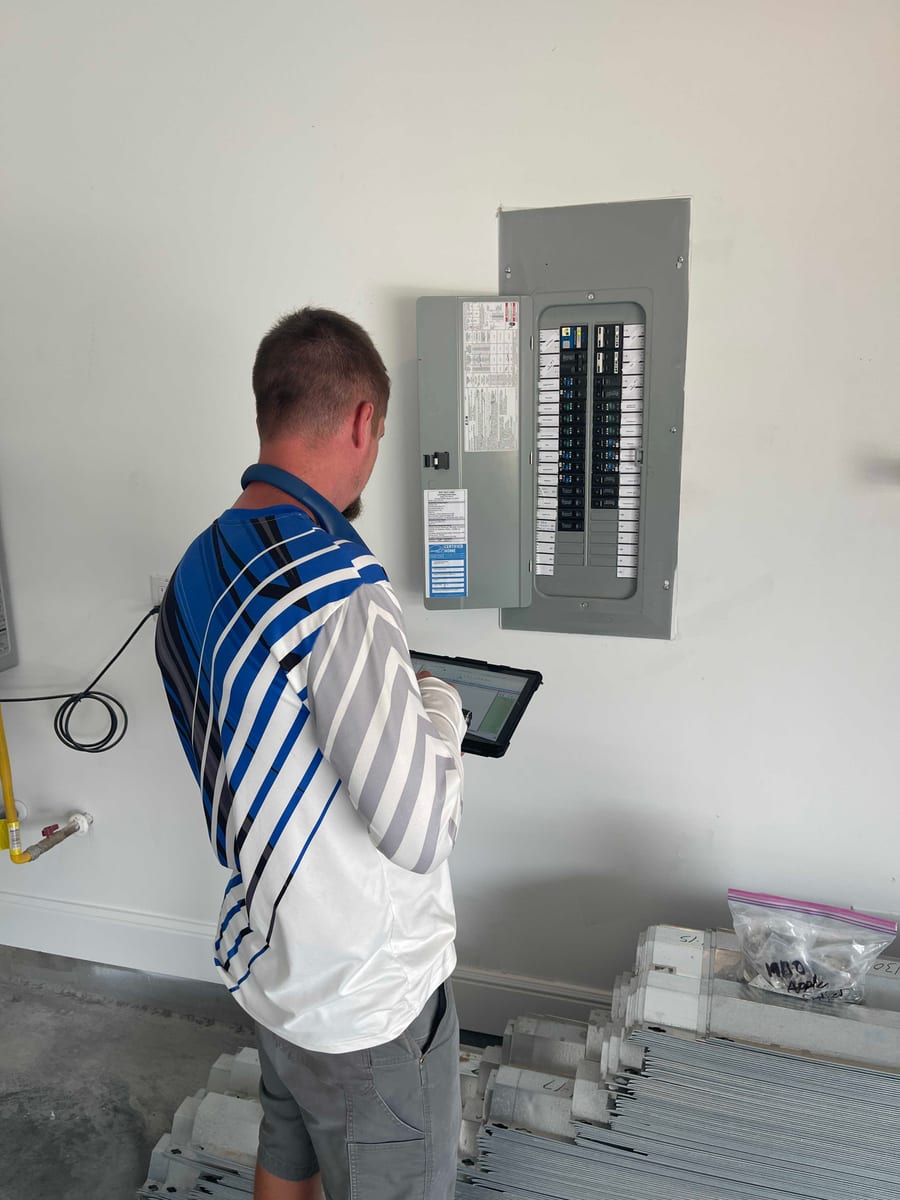
Safe electrical access comes first because power tools draw serious current, and a workshop is where we most often find overloaded circuits and extension-cord wiring. For everyday projects, standard outlets are enough — as long as there are enough of them and they are used properly.
- A heavy-duty retractable cord reel, rated for your tools, brings power to the work and keeps cords off the floor.
- Do not daisy-chain power strips or run extension cords as permanent wiring.
- Garage and exterior outlets should have working GFCI protection; test them before every big project.
- Larger equipment such as welders and air compressors may need a dedicated circuit. That is a job for a licensed electrician, not a weekend project.
If breakers trip often or an outlet feels warm, stop and have it evaluated. Our guide to common electrical issues found during home inspections explains the warning signs.
How Much Lighting Does a DIY Workspace Need?
A DIY workspace needs bright, even overhead light plus a movable work light for detailed tasks. Natural light helps, but it fades just when many projects run long, and small parts are easy to lose in shadows.
- Swap old bulbs for bright LEDs, or add an overhead fixture if space allows.
- Keep a caged work light with a hook so you can hang light right where you need it.
- Have new fixtures installed on a proper circuit rather than plugged into an extension cord.
Good lighting is a safety feature as much as a convenience. It is far easier to keep your fingers clear of a blade or bit you can see clearly, and to spot cords and offcuts on the floor before you trip over them.
How Do You Keep a Garage or Shed Workspace Cool and Ventilated?
You keep a workspace cool and ventilated by moving plenty of air through it and venting fumes outside. In a Pearland summer, a closed garage can get dangerously hot, and heat makes it hard to stay focused and safe.
- Portable evaporative coolers can chill a work area with the door open, but they work best in drier air; on our most humid days, a high-velocity fan may do more.
- Open the door or run an exhaust fan when you sand, paint, or use solvents.
- Never run a generator, gas-powered tool, or vehicle in a closed garage — carbon monoxide builds up fast and can seep into the house.
What Kind of Workbench Works Best?
The best workbench is sturdy, the right height for you, and mobile, so your space adapts to each project. Working on the floor is hard on your body and your results. You can buy one, but in true DIY spirit, many homeowners build their own from 2x4s and plywood, sized to fit the space. Height matters as much as size: a bench that lets you work without hunching over saves your back on long projects.
- Add locking casters so the bench rolls where you need it and stays put while you work.
- Build in shelves or drawers so tools have a home instead of a pile.
- Keep the bench clear of the water heater and the electrical panel so both stay accessible.
Which Ergonomic and Safety Extras Are Worth Adding?
The extras worth adding are the ones that protect your body and your home: comfortable support while you work, and gear that handles the unexpected.
- A chair or stool with proper back support for seated tasks.
- A foam kneeling pad and an anti-fatigue mat for long stretches on your feet.
- Safety glasses and hearing protection within arm's reach.
- A charged fire extinguisher mounted near the exit, and a working smoke alarm nearby.
- A metal cabinet for paint, solvents, and fuel, stored well away from the water heater and other ignition sources.
What Garage Safety Issues Do Home Inspectors Look For?
When we inspect a garage or workshop, we look for the same issues that turn hobbies into hazards. The most common are missing or failed GFCI protection, amateur wiring, overloaded extension cords, and blocked access to the electrical panel or water heater. We also check that the door between an attached garage and the house closes properly and has not been swapped for a hollow interior door, since that door helps slow fire and fumes. Water heaters in garages get extra attention, and our CRT-certified thermal imaging can reveal overheating connections behind a busy workshop wall.
Are You Buying a Pearland Home With a Workshop or Shed?
If you are buying a home with a workshop, shed, or converted garage, have it inspected as carefully as the house itself. Previous owners' DIY wiring and add-ons are some of the most common surprises we report. GC Home Inspection has served Pearland, Friendswood, League City, Manvel, Iowa Colony, Galveston, and Houston since 1997, with TREC-licensed inspectors and same-day reports. Book a Buyer's Inspection or call (281) 675-5885.
Frequently Asked Questions
What are the essentials for a DIY workspace?
The essentials for a DIY workspace are safe and flexible electrical access, bright lighting, good airflow and ventilation, a sturdy workbench, and ergonomic and safety extras such as a supportive chair, a kneeling pad, eye protection, and a fire extinguisher.
Do garage outlets need GFCI protection?
Garage and exterior outlets are expected to have GFCI protection, which shuts off power when it detects a ground fault and helps prevent electrocution. Test GFCI outlets regularly and have a licensed electrician correct any that fail.
Is it safe to use extension cords in a garage workshop?
Extension cords are fine for temporary use if they are rated for the tool and in good condition. They should not be daisy-chained or used as permanent wiring. If you need more outlets, have a licensed electrician add them.
Can I run a generator in my garage with the door open?
No. Generators and gas-powered engines produce carbon monoxide, which can build up quickly even with the garage door open and can enter the house. Run them outdoors, well away from doors and windows.
Do evaporative coolers work in Pearland's humidity?
Evaporative coolers work best in dry air, so they are less effective on Pearland's most humid days. They can still help in an open garage, but a high-velocity fan and good ventilation may do more during muggy weather.
Should a home inspector check a garage workshop or shed?
Yes. Workshops and garages are where home inspectors often find amateur wiring, missing GFCI protection, overloaded circuits, and blocked access to the water heater or electrical panel, so they deserve the same careful look as the rest of the home.