End-of-Year Home Safety Checklist: A Pearland Home Inspector's Maintenance Tips
As the year winds down, most of us set goals for our health and our finances — but your home deserves the same attention. It is probably your biggest investment, and the small problems you skip now tend to become the expensive ones later. This end-of-year home safety checklist from GC Home Inspection covers the ten areas every Pearland, TX homeowner should review this time of year, what to look for in each, and when it makes sense to bring in a professional.
Why Should You Do a Home Safety Check at the End of the Year?
An end-of-year safety check catches hazards and slow-building problems before cooler weather, holiday guests, and a busy new year make them harder to deal with. Heating systems switch on, extension cords come out, and a hard freeze can test pipes that sat idle all summer. Working through the list below takes an afternoon, and it can prevent a fire, a leak, or a repair bill you did not budget for.
Are Your Smoke and Carbon Monoxide Detectors Working?
Your smoke and carbon monoxide detectors are only working if you have tested them recently — so start the checklist there.
- Press the test button on every unit and replace batteries as needed.
- Vacuum dust from the vents, which can block the sensors.
- Check the manufacture date on the back; most manufacturers call for replacing smoke alarms after about ten years.
Inspector tip: make sure there are detectors in and outside sleeping areas and carbon monoxide alarms near bedrooms in any home with gas appliances or an attached garage.
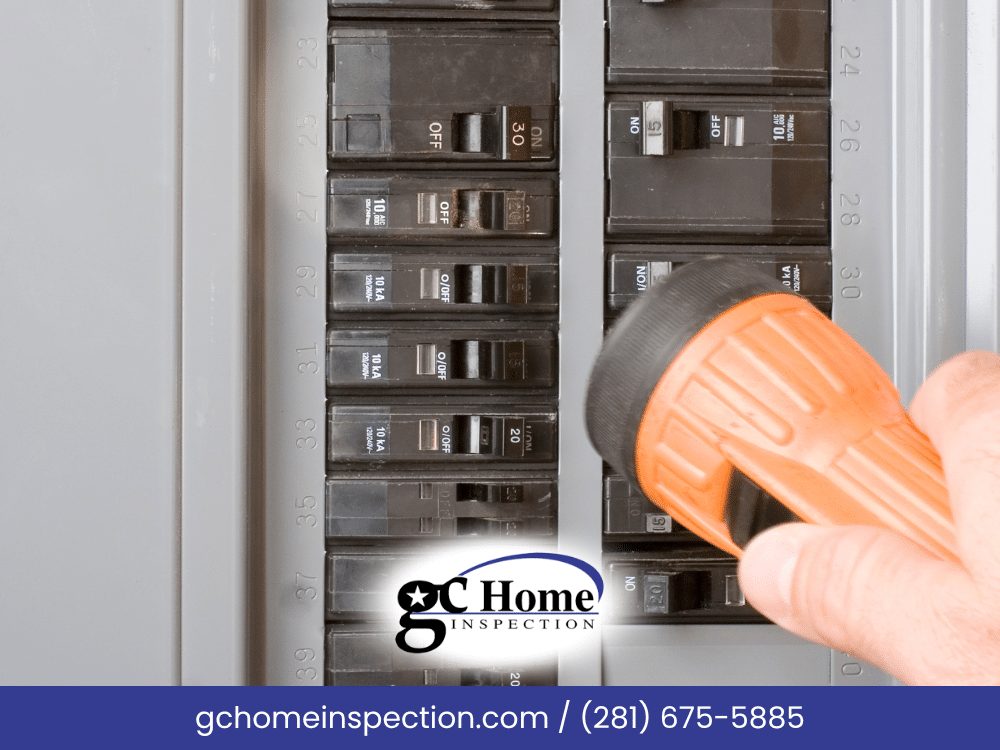
How Do You Check Electrical Outlets and Panels for Hazards?
Check outlets and panels by looking and feeling for heat, damage, and loose connections — and calling a licensed electrician for anything you find.
- Note any outlet that feels warm, sparks, buzzes, or shows scorch marks.
- Replace cracked or missing cover plates.
- Test GFCI outlets in the kitchen, bathrooms, garage, and outdoors.
Inspector insight: overloaded circuits, outdated wiring, and double-tapped breakers do not show from the outside. Our guide to common electrical issues explains what we look for.
Is Your Heating System Safe for the Cooler Months?
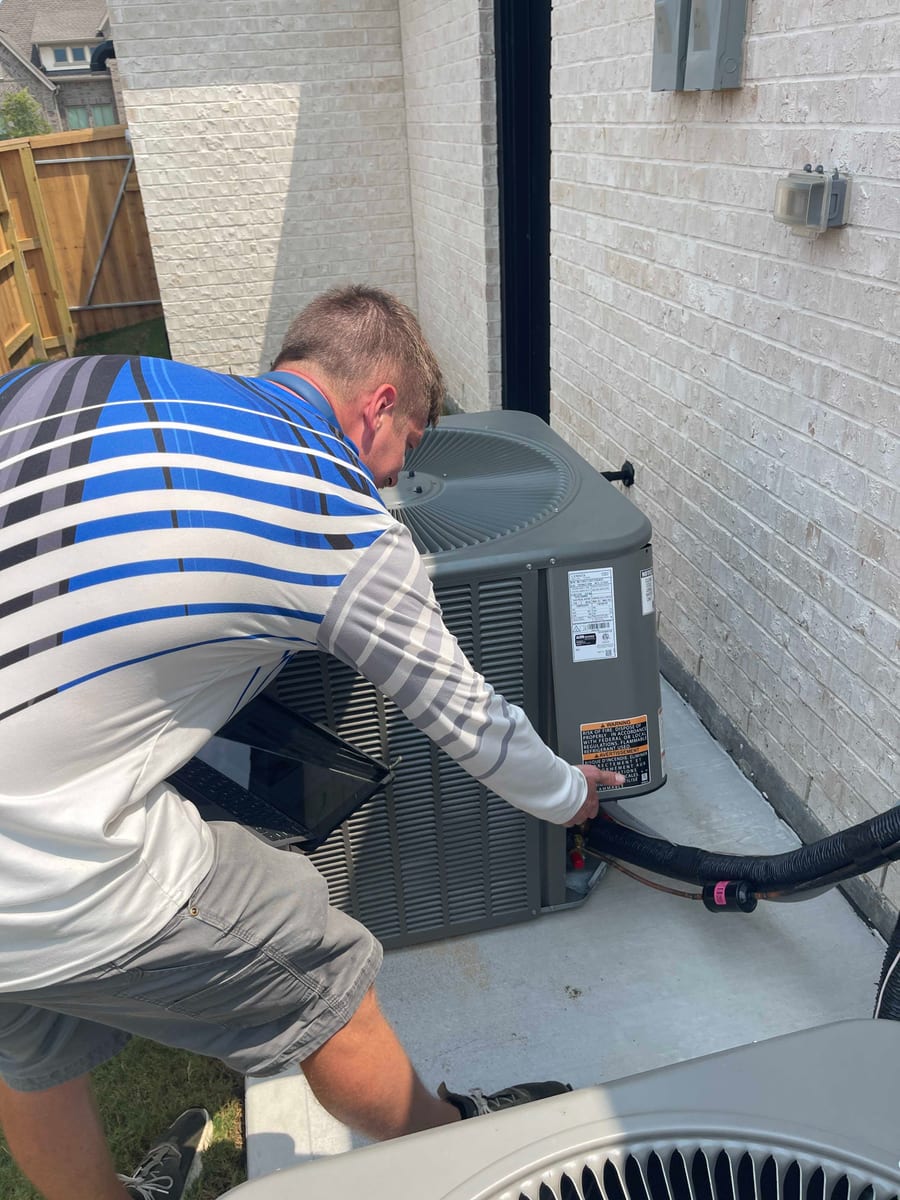
Your heating system is ready for the cooler months when the filter is clean, the burners look right, and it has been serviced recently.
- Check the filter monthly and replace it as directed.
- On a gas furnace, look for a steady blue flame; a yellow or flickering flame calls for service.
- Schedule professional HVAC service once a year.
Why it matters: during inspections we often find venting issues, rust, and worn components before they cause a breakdown or affect indoor air quality.
What Should You Look For on the Roof and in the Gutters?
From the ground, look for missing or damaged shingles and gutters that are clogged or pulling away from the house. After a year of Gulf Coast sun, wind, and heavy rain, your roof deserves a careful look.
- Scan for cracked, curled, or missing shingles and lifted flashing.
- Clean gutters and confirm downspouts discharge away from the foundation.
- Check the attic and upstairs ceilings for stains.
Inspector tip: as CRT thermal-certified inspectors, we use thermal imaging to find hidden moisture and insulation gaps before they show up as damage.
How Do You Find and Fix Drafts Around Windows and Doors?
You find drafts by feeling for moving air on a cool, windy day, and you fix most of them with weatherstripping and caulk.
- Run your hand around window and door frames and reseal any gaps.
- Confirm locks latch and seals close tightly.
- Look for fogged double-pane glass, a sign of a failed seal.
Inspector help: a thermal scan can reveal hidden air leaks and insulation gaps that you cannot feel by hand.
What Plumbing Checks Prevent Costly Leaks?
A few quick plumbing checks — under sinks, at the water heater, and outside — prevent most costly leaks.
- Look under sinks for dampness, corrosion, or soft cabinet floors.
- Make sure the water heater's relief valve has an intact, unobstructed discharge pipe.
- Insulate exposed pipes in the attic, garage, or exterior walls, and know where your main shutoff is before a freeze.
What Should You Check in the Attic?
In the attic, check that insulation is even, vents are clear, and there are no signs of pests or moisture.
- Look for thin, compressed, or displaced insulation.
- Make sure soffit and roof vents are not blocked.
- Watch for droppings, nesting material, damp decking, or stains.
What Foundation and Exterior Warning Signs Matter in Pearland?
In Pearland, the warning signs that matter most are new cracks, doors that start sticking, and water pooling near the slab. Expansive clay soil swells when wet and shrinks when dry, so foundation movement is a real concern here.
- Walk the perimeter and note cracks in brick, siding, or the slab.
- Make sure soil and downspouts direct water away from the house.
- Seal gaps in siding, trim, and brick.
Professional insight: an inspector can help you tell cosmetic cracks from signs of movement that need a specialist.
Is Your Family's Emergency Gear Ready?
Your emergency gear is ready when the extinguisher is charged, the flashlights work, and everyone knows the plan.
- Check that fire extinguisher gauges read in the green.
- Review your family's escape plan and meeting spot.
- Restock flashlights, batteries, and the first-aid kit.
When Should You Schedule a Professional Home Maintenance Inspection?
Schedule a professional home maintenance inspection when you want an expert look at everything this checklist cannot reach — ideally once a year, and before any major season change. Even diligent homeowners miss problems behind walls and above ceilings. During a home maintenance inspection, we evaluate the roof, foundation, electrical, plumbing, and HVAC; use thermal imaging and moisture meters; and deliver a same-day report with photos and priorities, so you can budget for the year ahead instead of reacting to emergencies.
GC Home Inspection is TREC-licensed and has served Pearland, Friendswood, League City, Manvel, Iowa Colony, Galveston, and Houston since 1997. Call (281) 675-5885 or schedule online.
Frequently Asked Questions
Why is an end-of-year home maintenance inspection important?
An end-of-year home maintenance inspection identifies safety hazards, electrical issues, leaks, and insulation problems before they lead to costly repairs or discomfort during the cooler months and the year ahead.
How often should I schedule a professional home inspection?
Most homeowners benefit from a professional home maintenance inspection once a year, ideally before a major seasonal change such as the start of the cooler months or the summer storm season.
What issues are most common during maintenance inspections?
Faulty smoke detectors, outdated or overloaded wiring, roof leaks, plumbing corrosion, attic ventilation problems, and poorly maintained HVAC systems are among the most frequent findings.
How often should I replace smoke alarms?
Test smoke alarms regularly and replace batteries as needed. Most manufacturers recommend replacing smoke alarms after about ten years, so check the manufacture date on the back of each unit.
Do Pearland homes need freeze protection?
Yes. Hard freezes are not frequent on the Gulf Coast, but they do happen. Insulate exposed pipes in attics, garages, and exterior walls, cover outdoor faucets, and know where your main water shutoff is.
How does a home inspector help me maintain my home year-round?
Your inspector evaluates the home's key systems, documents what needs attention in a detailed report, and helps you prioritize maintenance so you can stay proactive rather than reactive.