Common Home Inspection Issues in Pearland, TX — and How to Fix Them

Every inspection report has a list — even on a well-kept house. If you are buying a home in Pearland, TX, the real question is not whether the inspector will find something, but which findings are routine maintenance and which ones should change your plans. This guide from GC Home Inspection walks through the issues we find most often in Greater Houston Area homes and how each one is typically fixed, so you can read your report with confidence instead of worry.
What Are the Most Common Home Inspection Issues?
The most common home inspection issues are roofing wear, plumbing leaks, electrical deficiencies, foundation movement, HVAC problems, moisture and mold, pest damage, poor drainage, weak insulation or ventilation, and worn windows and doors. Most are repairable. What matters is how serious each one is, who fixes it, and whether you address it before or after closing. A spotless report is rare, even on newer homes, so do not be alarmed by a long list — focus on what each item means for safety, cost, and your timeline.
What Roofing Problems Show Up Most, and How Are They Fixed?
Roofing problems are among the most frequent findings because the roof takes the full force of Gulf Coast sun, wind, and heavy rain. Inspectors commonly note missing or damaged shingles, worn flashing, granule loss, poor drainage, and signs of past leaks in the attic.
How to fix it: minor shingle and flashing repairs are routine for a licensed roofer, while an aging roof may need replacement. Buyers can negotiate repairs or a credit based on the report; sellers often get ahead of it by repairing before listing. See common roof problems home inspectors look for.
How Are Plumbing Leaks and Water Problems Handled?
Plumbing issues are handled by finding the source of the water and repairing it before it causes mold or structural damage. Common findings include leaking supply lines and drains, dripping fixtures, low water pressure, corroded fittings, and water heaters showing their age.
How to fix it: a licensed plumber can repair leaks and replace worn fixtures; older drain lines may warrant a sewer scope. Buyers should request repairs or a credit before closing, and homeowners should check under sinks and around the water heater regularly.
What Should You Do About Electrical Deficiencies?
Electrical deficiencies should always be evaluated and corrected by a licensed electrician, because faulty wiring is a fire hazard. Inspectors frequently find outdated wiring, overloaded panels, double-tapped breakers, missing GFCI protection, and unsafe do-it-yourself modifications.
How to fix it: have a licensed electrician assess every safety item on the report and correct it before you move in. Our guide to common electrical issues found during home inspections explains what each finding means.
Are Foundation Cracks and Structural Concerns a Deal Breaker?
Foundation cracks are not automatically a deal breaker, but they always deserve a closer look. Pearland sits on expansive clay soil that swells when wet and shrinks during dry spells, which can move a slab over time. Uneven floors, sticking doors and windows, and diagonal cracks in brick or drywall can all point to movement.
How to fix it: small, stable cracks can often be sealed and monitored; significant movement calls for an evaluation by a structural engineer or foundation specialist. Buyers should factor any repair into negotiations. Consistent drainage and soil moisture help homeowners prevent future movement.
What HVAC Problems Do Inspectors Find?
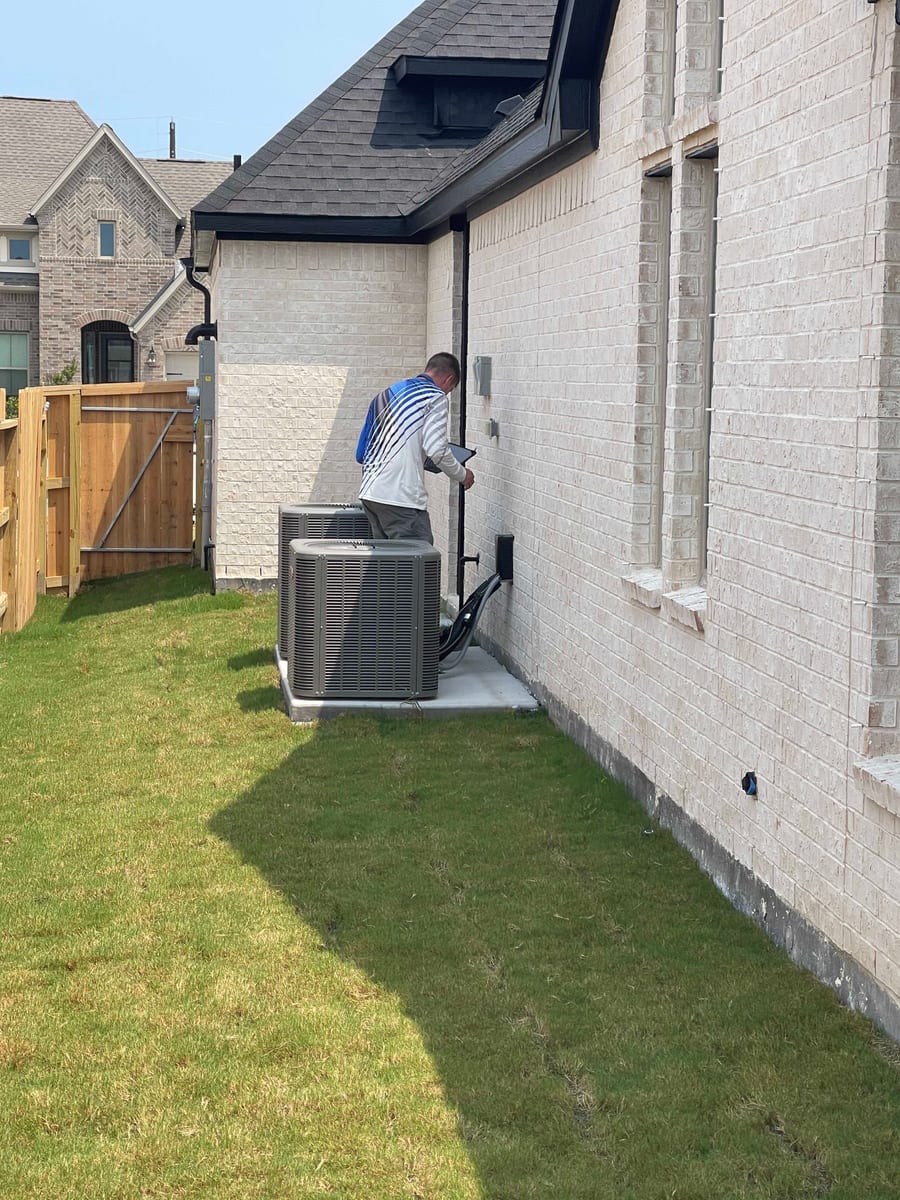
The HVAC problems inspectors find most often are weak airflow, dirty filters and coils, poor drainage at the condensate line, aging equipment, and systems that have not been serviced. Here, air conditioning runs hard for much of the year, so maintenance history matters.
How to fix it: regular service and timely repairs extend the life of the system. Ask the seller for service records, and if the system is older or underperforming, consider an HVAC contractor's evaluation. Read do Pearland buyers need a separate HVAC inspection?
How Are Mold, Moisture, and Pest Problems Fixed?
Mold, moisture, and pest problems are fixed by eliminating the cause first, then treating the damage. Mold grows where humidity, leaks, or poor ventilation keep surfaces damp; termites, rodents, and other pests look for moisture, wood contact, and gaps in the exterior.
How to fix it: fix leaks, control humidity, and improve ventilation; significant mold may need professional remediation. For pests, a licensed pest-control professional should assess and treat activity, and sealing entry points helps prevent a return. See early signs of mold or moisture intrusion and termite damage checks in Pearland.
How Do You Fix Poor Drainage and Grading?
Poor drainage is fixed by moving water away from the foundation. When soil slopes toward the house, or gutters and downspouts dump water at the slab, it can pool and contribute to foundation movement and moisture problems.
How to fix it: clean gutters, extend downspouts, and regrade soil so it slopes away from the home. Persistent pooling may call for a French drain or other drainage system installed by a qualified contractor.
What About Insulation, Ventilation, Windows, and Doors?
Insulation, ventilation, window, and door issues mostly affect comfort and energy bills, although poor ventilation can also trap moisture. Common findings include thin or displaced attic insulation, blocked vents, failed window seals, and worn weatherstripping.
How to fix it: add insulation where it is thin, clear attic ventilation, and reseal gaps with weatherstripping and caulk. Thermal imaging from our CRT-certified inspectors shows exactly where air and moisture are getting in.
How Should Buyers Use the Report to Get Issues Fixed?
Buyers should use the inspection report to prioritize safety hazards and major systems, then negotiate repairs, a credit, or a price adjustment during the option period. For larger items, get a licensed contractor's evaluation so your request is based on real numbers. If you are selling, a pre-listing seller inspection lets you fix problems on your own timeline.
GC Home Inspection has served Pearland, Friendswood, League City, Manvel, Iowa Colony, Galveston, and Houston since 1997. Our TREC-licensed, CRT thermal-certified inspectors deliver a clear, same-day report. Start with our Buyer's Inspection or call (281) 675-5885.
Frequently Asked Questions
What is the most common problem found in a home inspection?
Roofing wear, plumbing leaks, and electrical deficiencies are among the most common problems found in a home inspection. In the Pearland area, moisture issues and signs of foundation movement from expansive clay soil are also frequent findings.
How long does a home inspection take?
Most home inspections take a few hours. The exact time depends on the home's size, age, condition, and any add-on services such as thermal imaging.
Should buyers attend the home inspection?
Buyers are encouraged to attend, especially for the walkthrough at the end. Seeing the findings in person and asking questions makes the report much easier to understand, although attending is not required.
What happens if major issues are found?
If major issues are found, buyers can ask the seller for repairs, request a price reduction or credit, or cancel the contract during the option period, depending on the contract terms.
Can a home fail an inspection?
No. A home inspection is not a pass/fail process. It objectively documents the property's condition so buyers can make informed decisions.
Should I get repair estimates before negotiating?
Yes, for major items. A licensed contractor's evaluation and estimate for roofing, foundation, electrical, plumbing, or HVAC issues gives you a realistic number to negotiate with during your option period.